Neurocardiopulmonary Science

Investigating how the brain shapes cardiopulmonary disease.

The Oliveira Lab studies the neural, autonomic, and inflammatory mechanisms that contribute to pulmonary hypertension, with the goal of identifying new therapeutic strategies.

University of Florida College of Medicine Department of Pharmacology & Therapeutics

Our Scientific Mission

Looking beyond the pulmonary vasculature

Pulmonary hypertension is a progressive disease involving far more than the lungs. Our research examines how the brain senses cardiopulmonary stress and how neuroinflammation, autonomic dysfunction, and neuroimmune signaling influence disease progression.

By connecting cell-specific changes in the nervous system with pulmonary vascular remodeling and cardiac function, we aim to reveal mechanisms that complement existing vascular therapies.

Neuroinflammation Autonomic Regulation Neuroimmune Signaling Pulmonary Hypertension

Explore the Lab

Science, publications, and people

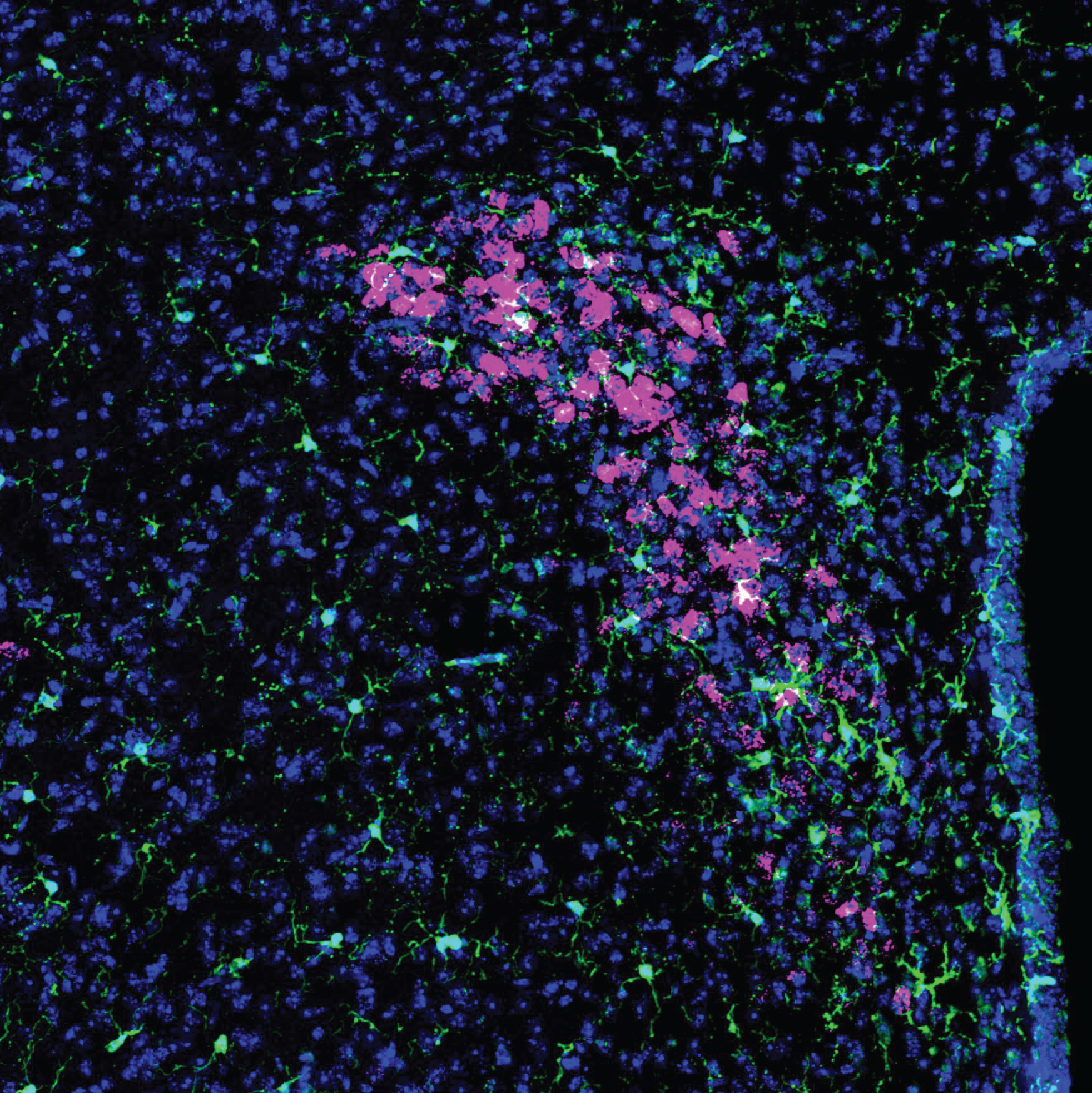
Fluorescence microscopy image showing labeled cells in brain tissue

From Cells to Physiology

Connecting neural mechanisms with cardiopulmonary function

Our lab combines integrative physiology with molecular, cellular, genetic, and imaging approaches. These complementary tools allow us to study disease across scales, from specific cell populations and neural circuits to blood pressure, pulmonary hemodynamics, and cardiac function.

Confocal Microscopy Heart Catheterization Genetic Mouse Models Neuron Tracing
See the science in our publications

Members of the Oliveira Lab

Work With Us

Collaborative science starts with different perspectives.

Our team brings together postdoctoral fellows, graduate students, and undergraduate researchers interested in the mechanisms connecting the brain and cardiopulmonary system.